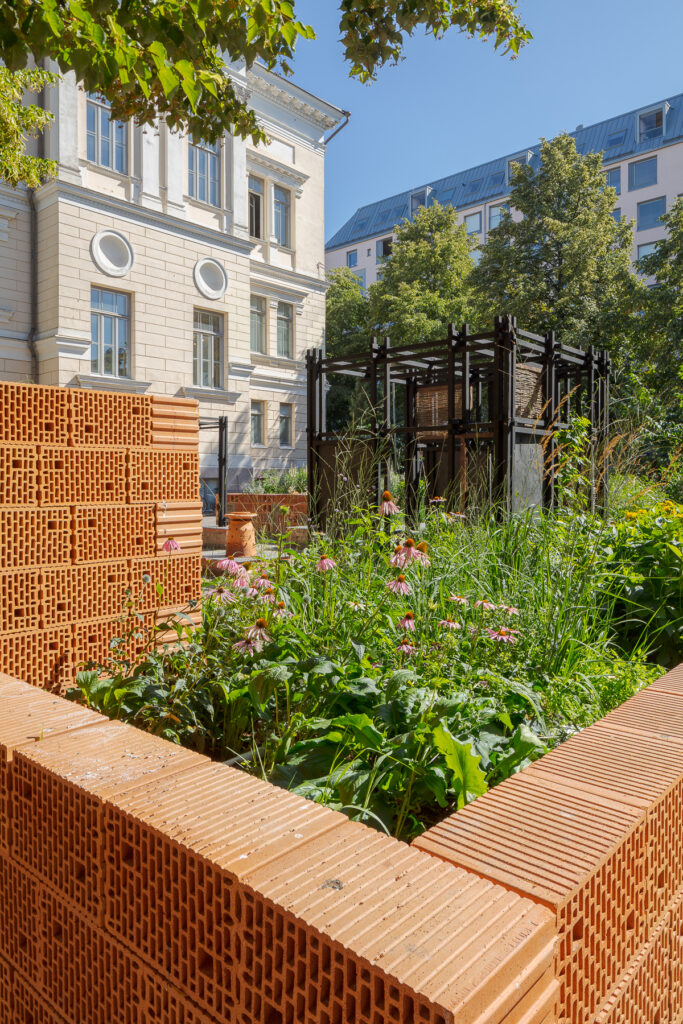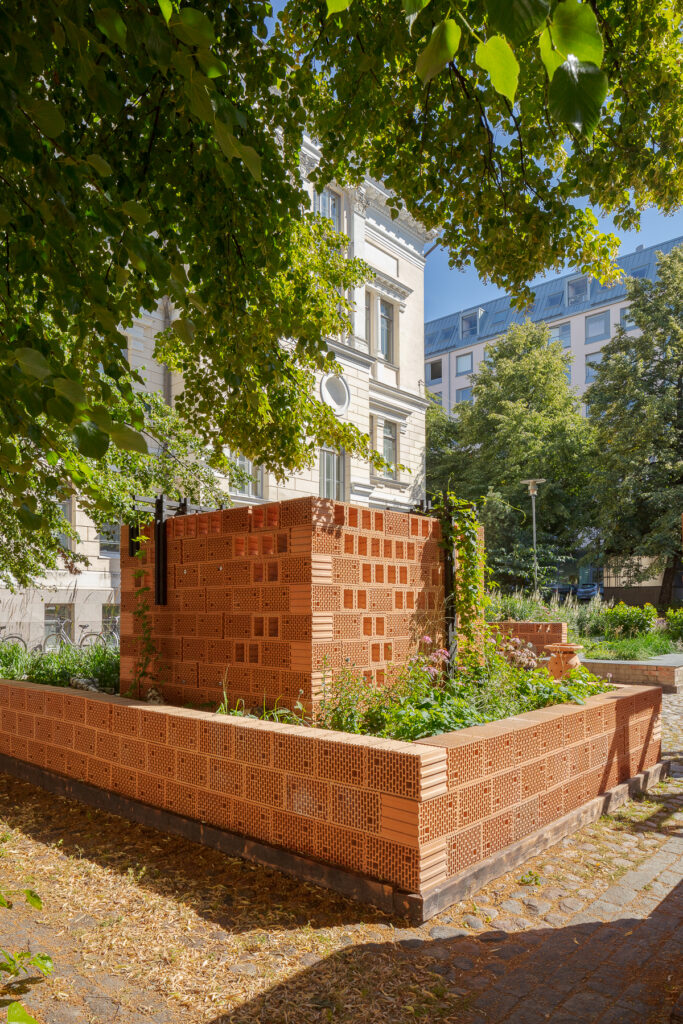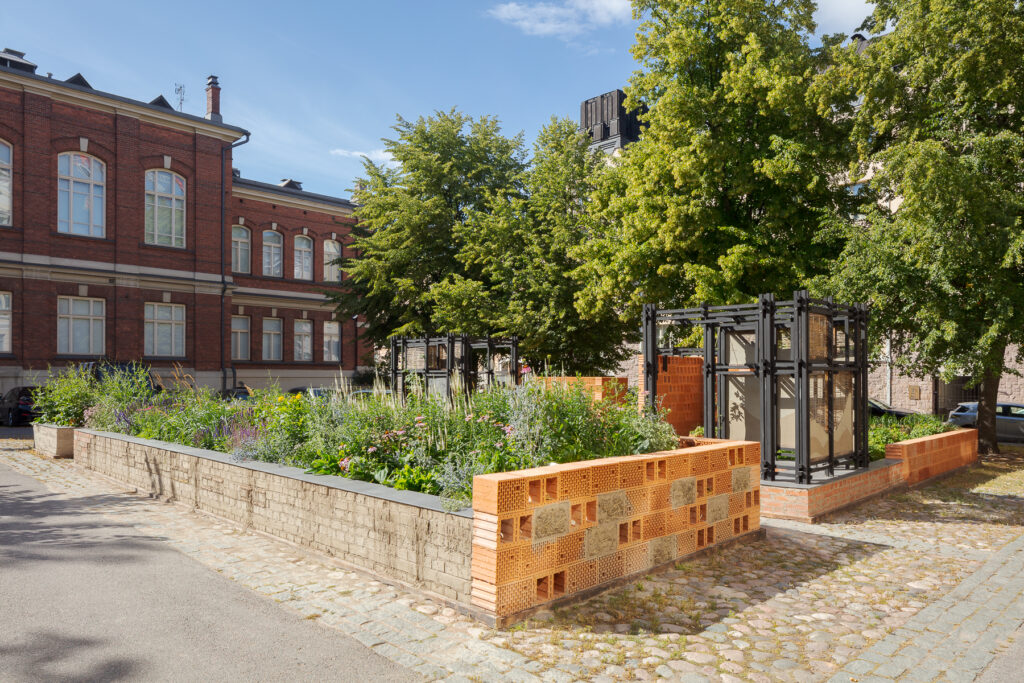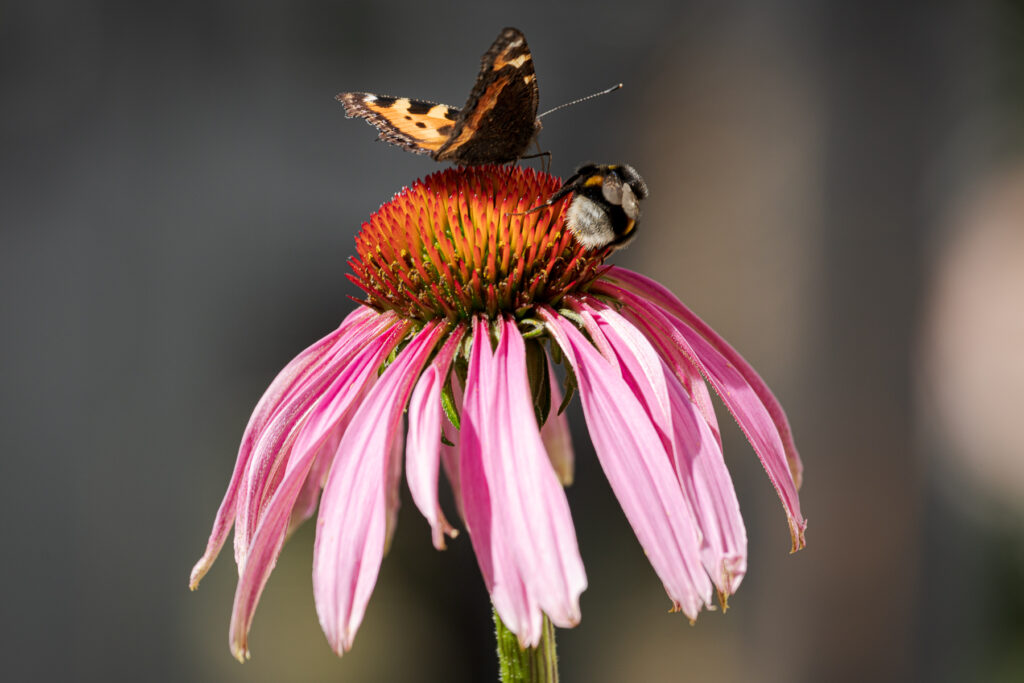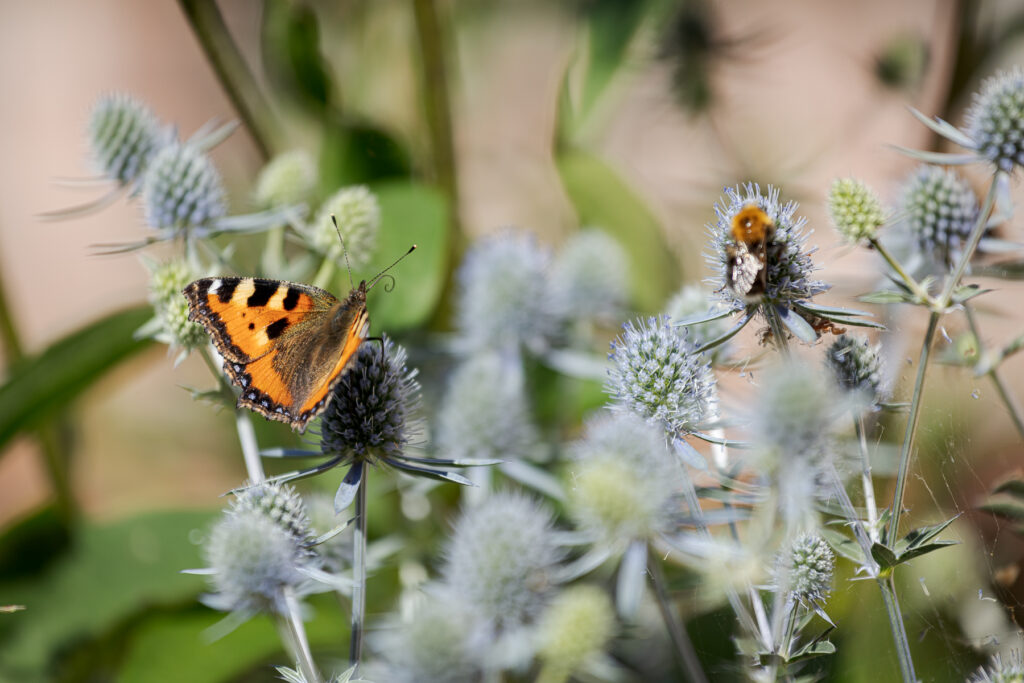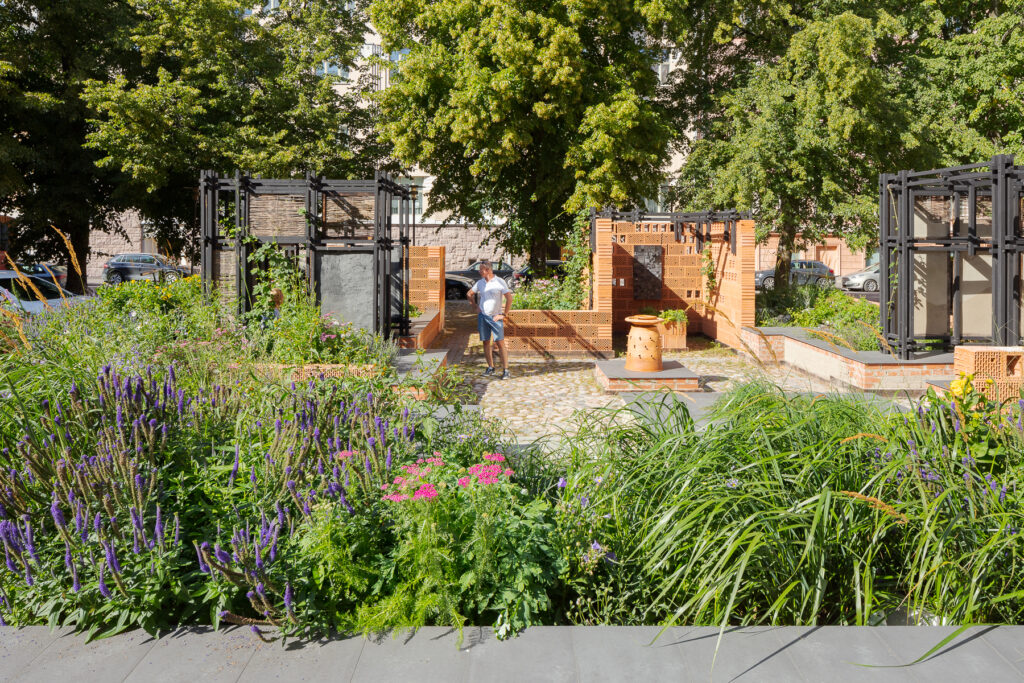
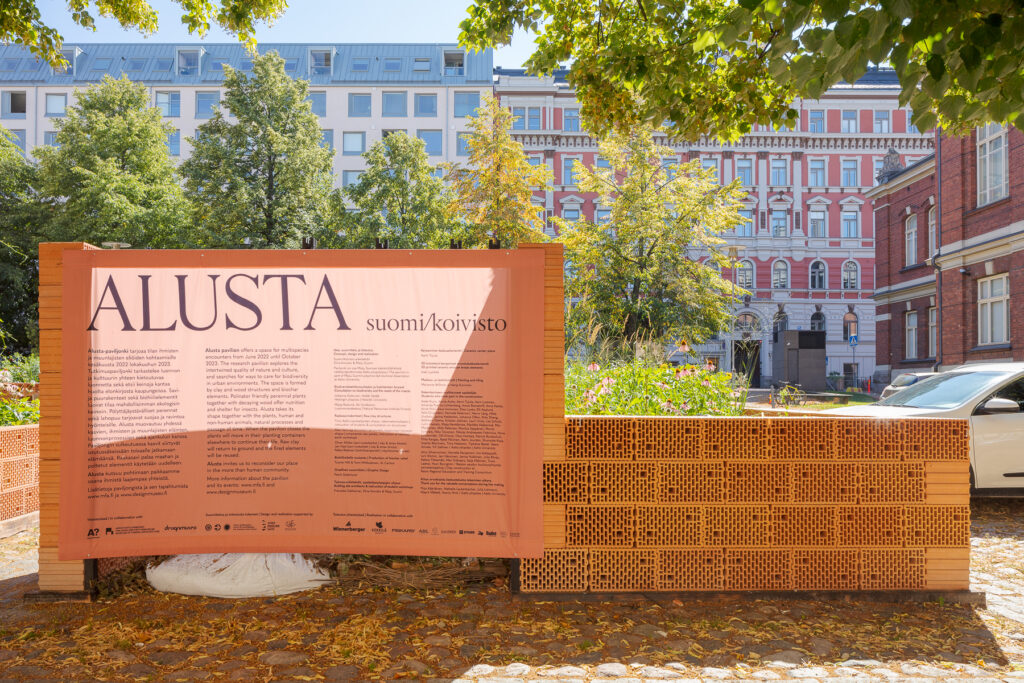
Last summer I visited the courtyard of the Design Museum and the Museum of Finnish Architecture in Helsinki. I was eager to see the environmentally conscious Alusta pavilion, this little oasis of nature in the middle of the city. It was a warm and sunny day, around 21 °C, perfect to photograph flowers and bugs. And architecture.
Alusta pavilion is part of architect Maiju Suomi’s practice-led doctoral research at Aalto University Department of Design. It acts as a test laboratory for architect Elina Koivisto’s inquiry into natural materials in construction as well. Alusta is open to the public from June 2022 to October 2023.
The Alusta pavilion is a meeting place for nature and culture, humans and animals, all in urban space. There is space for humans, plants, insects, fungi – for every living creature. It is a part of Biodiversity interventions for well-being (BIWE), which aims to rewild urban ecosystems.
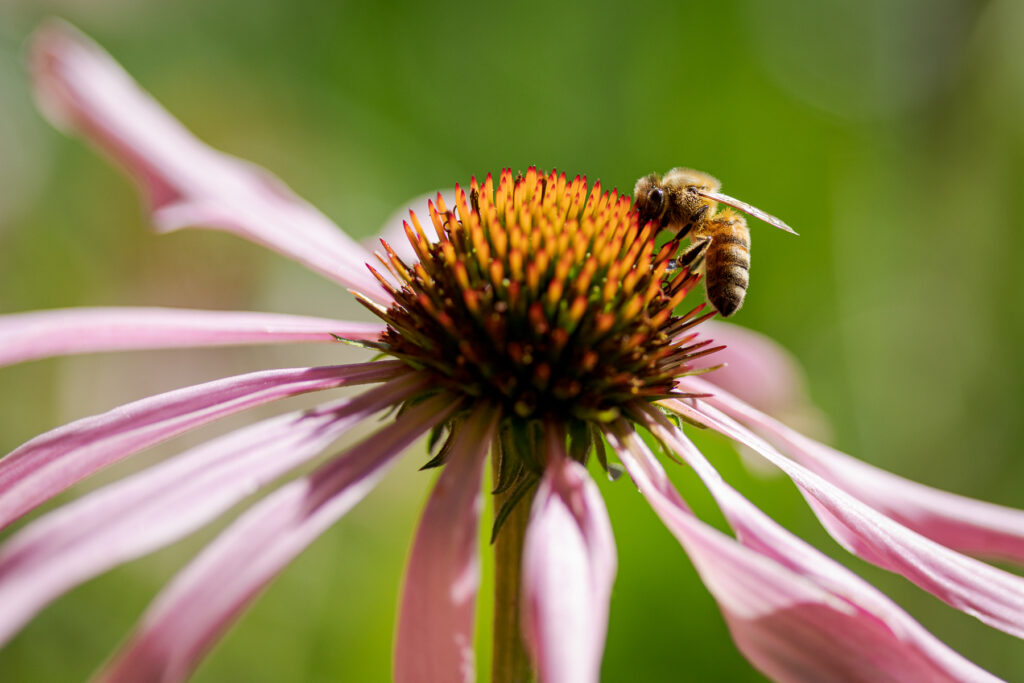
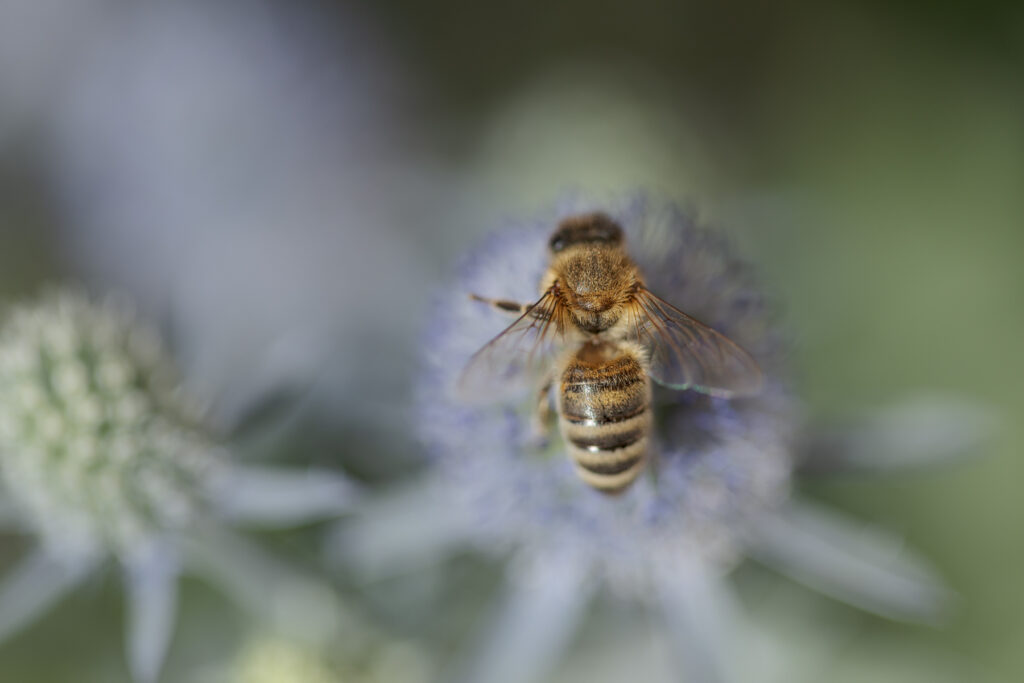
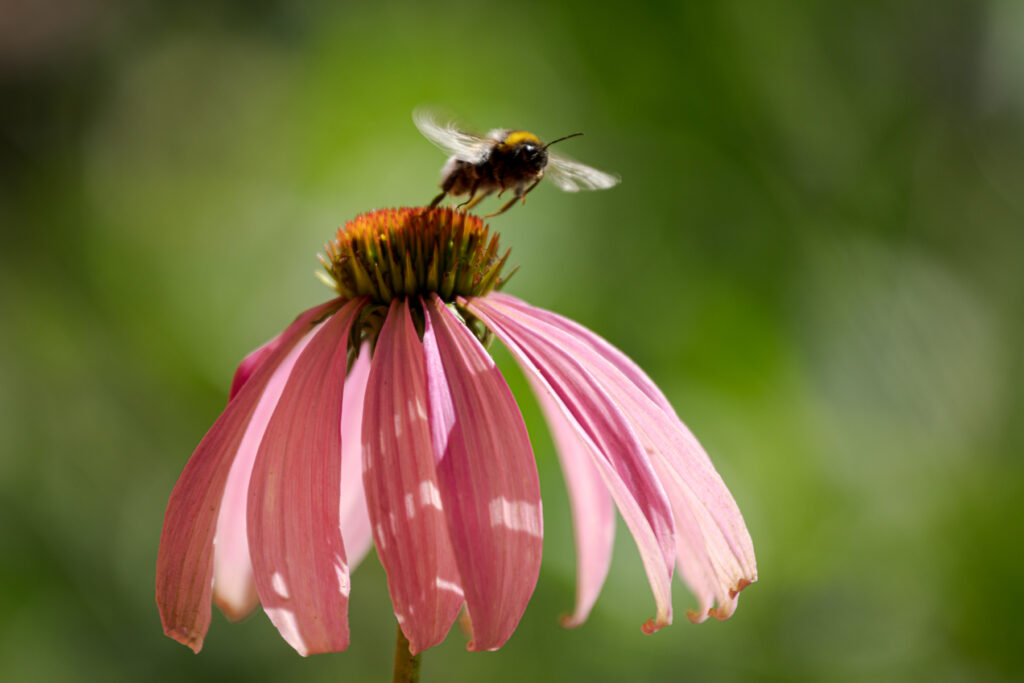
When I was younger and living in the countryside, I used all kinds of gadgets to get better images of insects and flowers. It was fun to return to the subject with better equipment – and to do so in the middle of Helsinki! All insect photos below are taken with macro lens, larger views with a tilt-shift lenses.
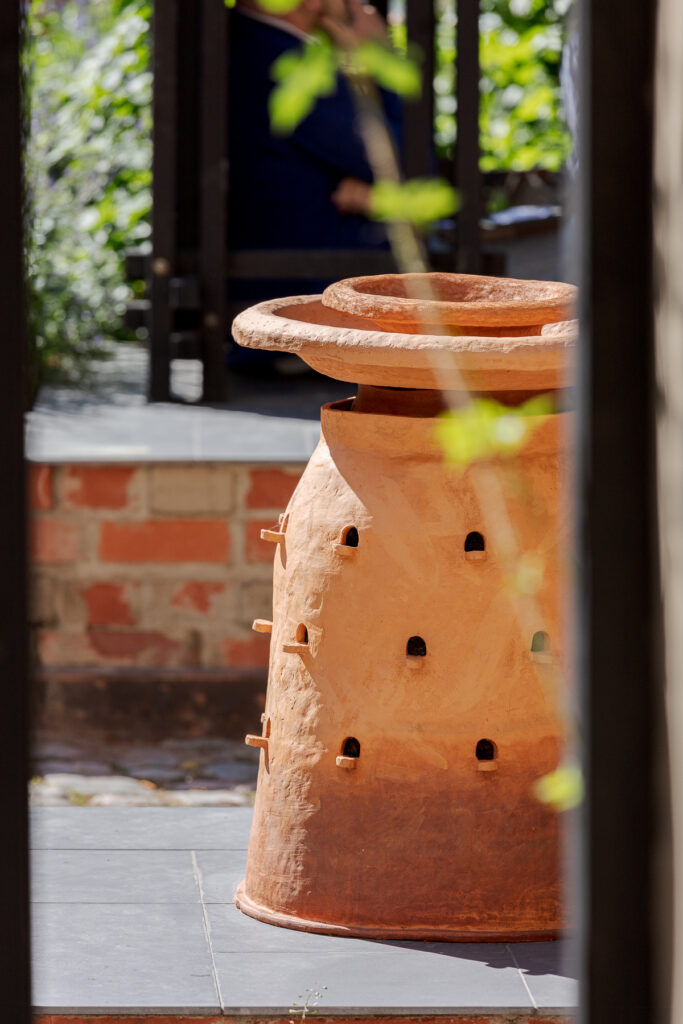
On a more serious note, environmental matters are close to my heart. That’s one reason why I wanted to visit this pavilion with my camera. Pollinator decline is dangerous to the integrity of biodiversity, to global food webs, and to human health. It has to be taken seriously. The pavilion is full of bug hotels, which give insects a safe haven in the city.
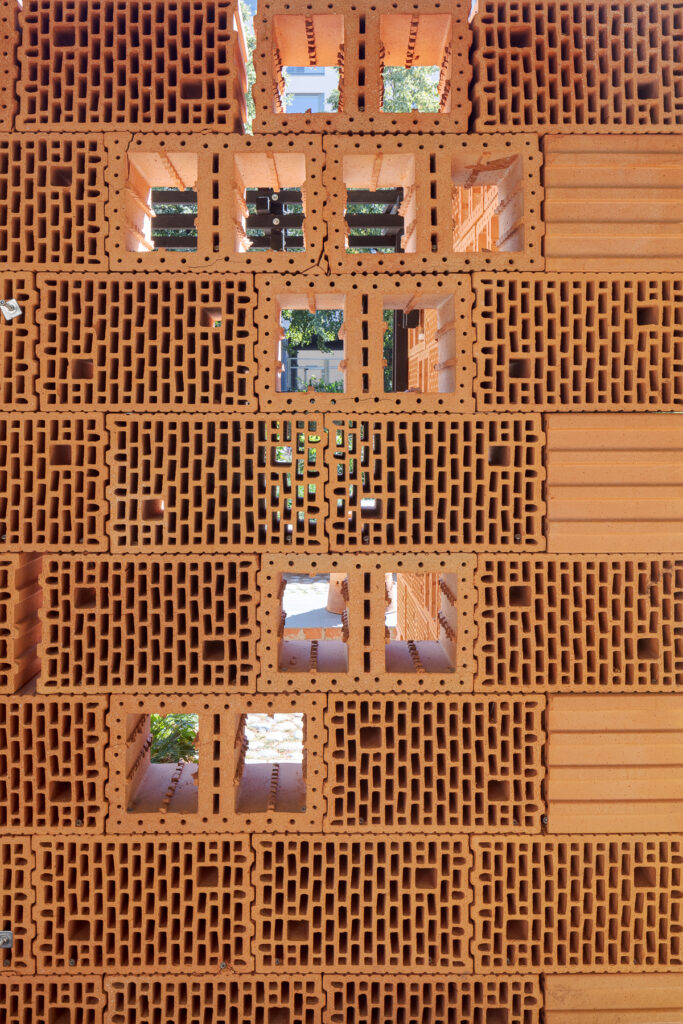
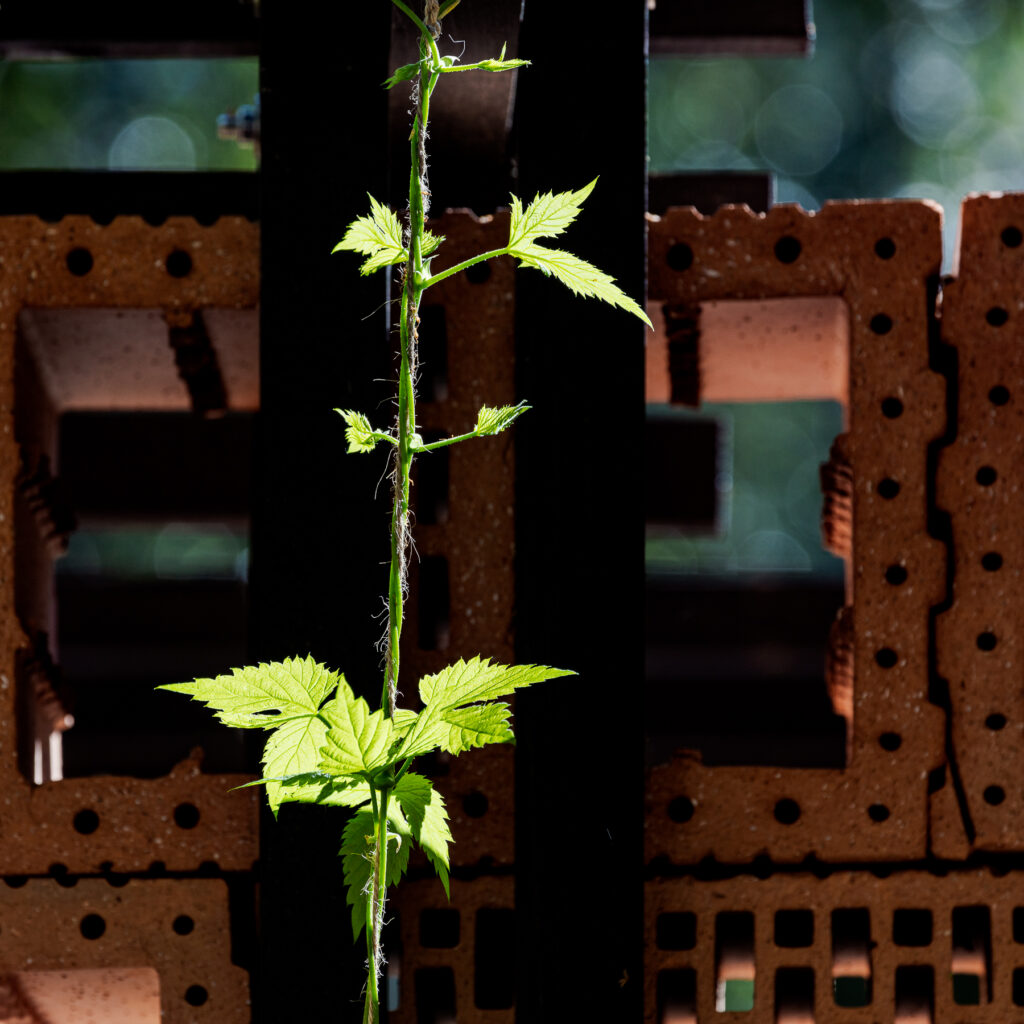
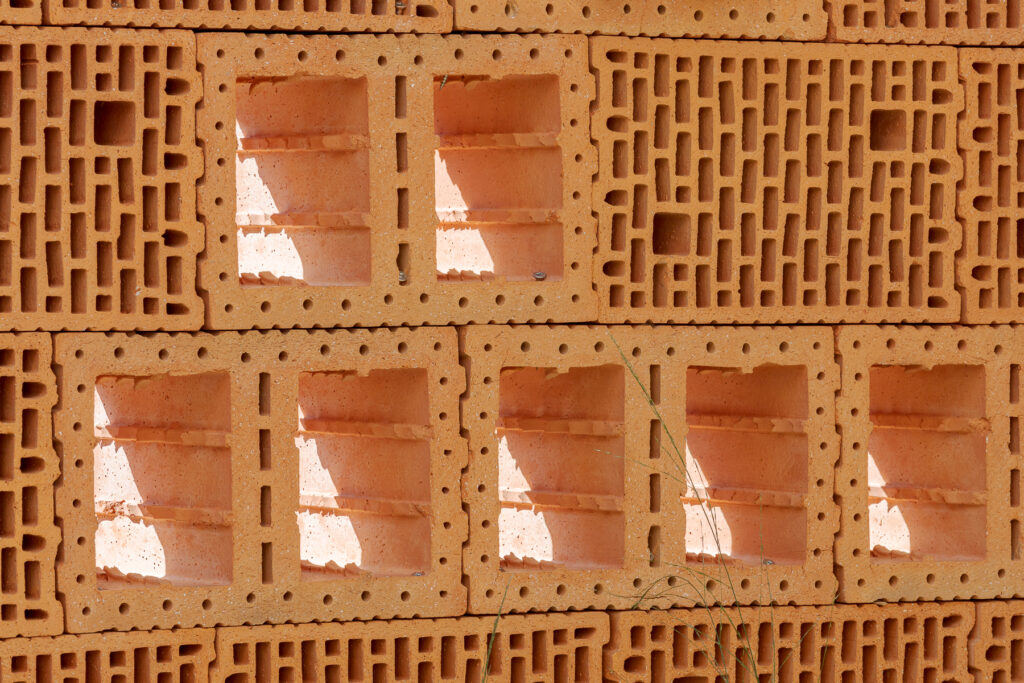
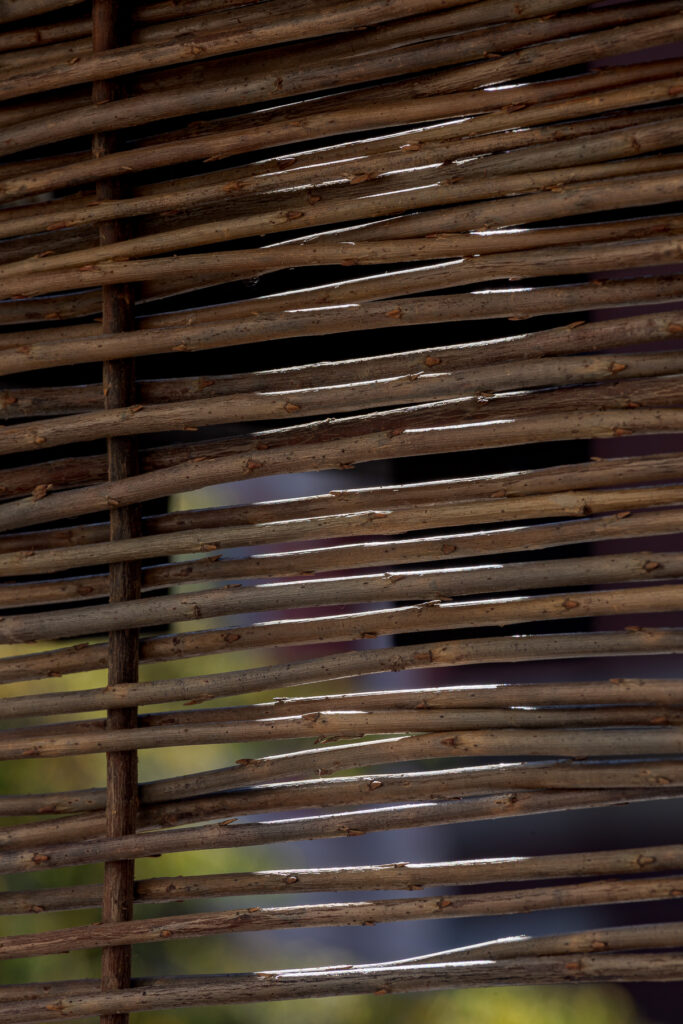
This wonderful construction consists of clay in its different forms, as well as wood, biocarbon and soil. Pavilion includes for example clay and bio carbon mix panels that shatter when they age. This way, nature continues the architectural process that humans started. I think this is fascinating.
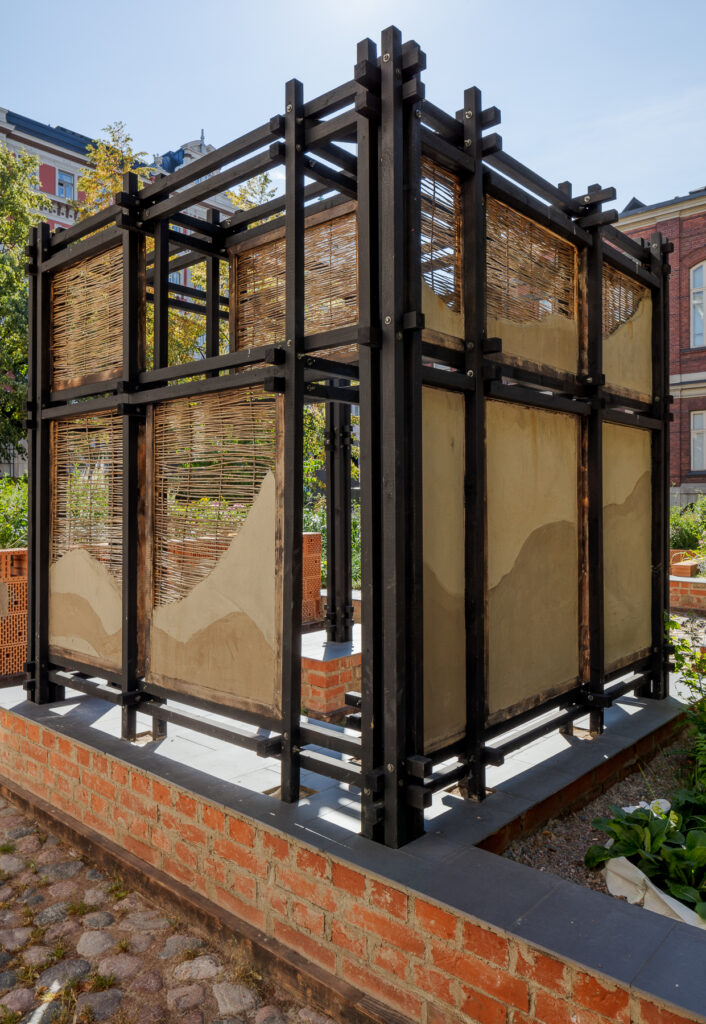
Alusta has been constructed with help from clay construction students from Raisio Regional Education and Training Consortium, Raseko and students of design and architecture in Aalto University.
The project is supported by Abl-Laatat, Fiskars, Helsingin yliopisto, Hyötykasviyhdistys, Iki Carbon, Ilmarinen, Kekkilä Oy, Kääpä Biotech, Rudus Oy, Stark Suomi Oy, Suomen pintakäsittely, Uula Color Oy and Wienerberger Oy. The project is funded by Kordelin foundation, The Arts Promotion Centre of Finland and Greta and William Lehtinen foundation.
P.S. I tried to get the identification of the species correctly. I’ll do my best to make the accurate determination of the species shortly with some help from specialists.
P.P.S. All the identification of species have now been corrected. Big thank you to Senior Museum Technician Juho Paukkunen from the Finnish Museum of Natural History LUOMUS.